



Why Humane Solutions for Stray Cats and Dogs Matter in Tourism Destinations
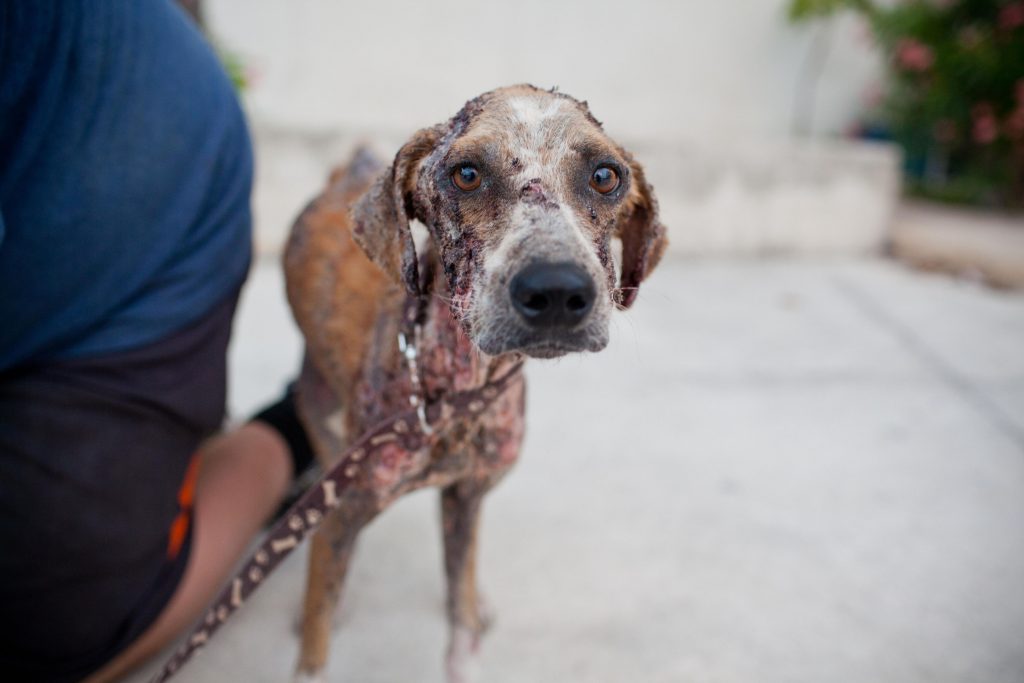
Tourism shapes how people experience the world the food they taste, the landscapes they explore, and the communities they meet along the way. But in many destinations, travelers also encounter something else: large populations of stray cats and dogs living without consistent access to humane care.
For many visitors, these moments are emotional. For local communities, they’re part of daily life. And for tourism destinations, they’re a critical but often overlooked part of creating safe, welcoming places for everyone.
At CANDi, we focus specifically on humane solutions for stray cats and dogs in tourism destinations because the wellbeing of animals, communities, and travelers is deeply connected. When animals are healthy, vaccinated, and humanely managed through preventative programs, everyone benefits.
Why this matters to travelers
Visitors want to feel good about the places they explore. When they see animals suffering, it affects their experience and often their willingness to return or recommend a destination. Humane stray‑animal programs help create the kind of compassionate, responsible environment travelers increasingly expect.
Why this matters to communities
Local residents care deeply about the animals around them. Humane, preventative programs reduce conflict, improve safety, and support community pride. When tourism supports these efforts, it strengthens relationships between visitors and the people who call these destinations home.
Why this matters to tourism
Stray‑animal management is part of destination quality. It influences traveler satisfaction, community wellbeing, and long‑term sustainability. Humane solutions, especially spay/neuter, vaccination, and local partnerships help create safer, kinder, more resilient destinations.
CANDi is one of the only animal welfare organizations working specifically at this intersection. We partner with local groups, tourism stakeholders, and compassionate travelers to bring humane solutions where they’re needed most.
Because when animals thrive, destinations thrive.


How Tourism Can Play a Meaningful Role in Humane Solutions for Stray Cats and Dogs
Tourism has the power to shape economies, support communities, and influence how destinations grow. But there’s another role it can play one that’s often overlooked, yet deeply impactful: supporting humane solutions for stray cats and dogs.
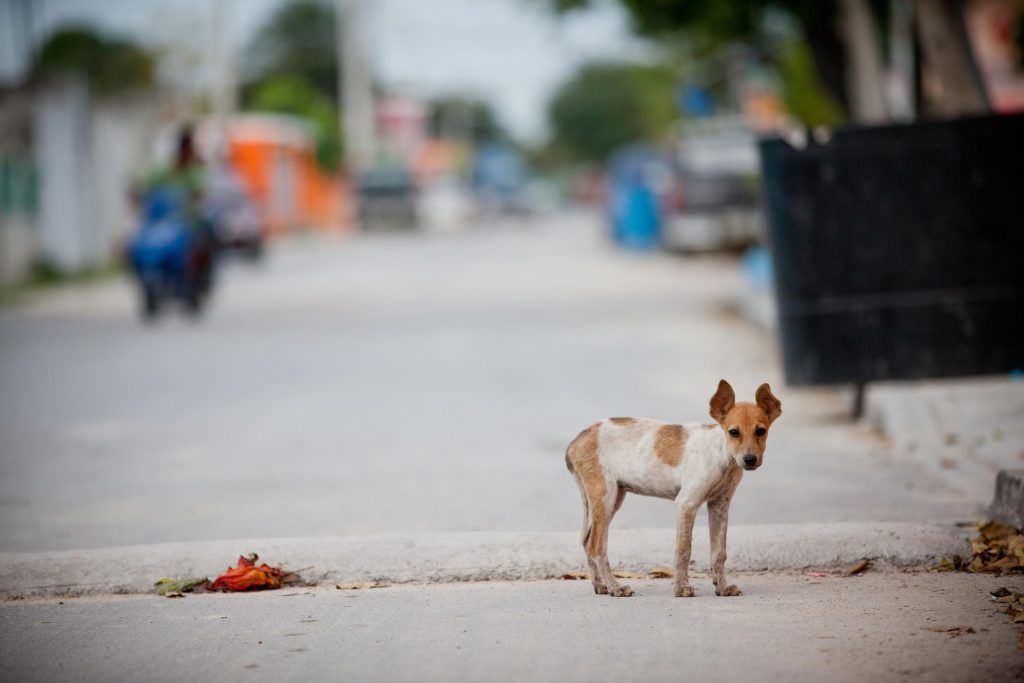
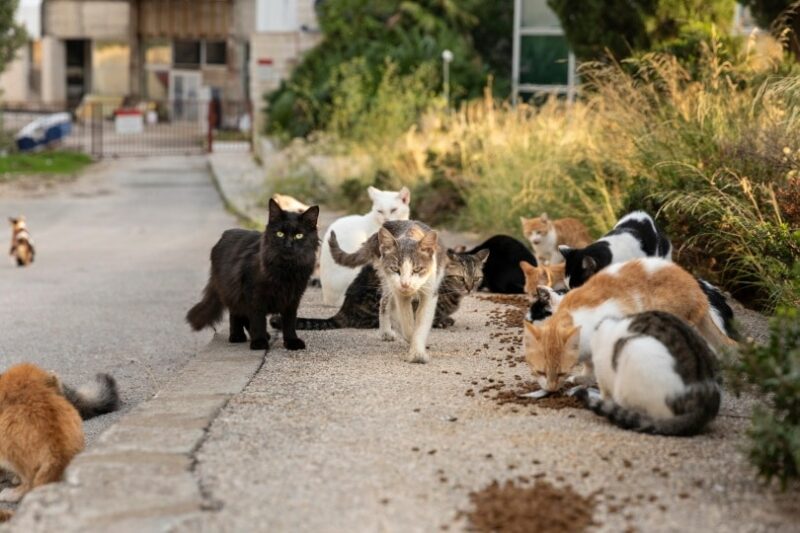
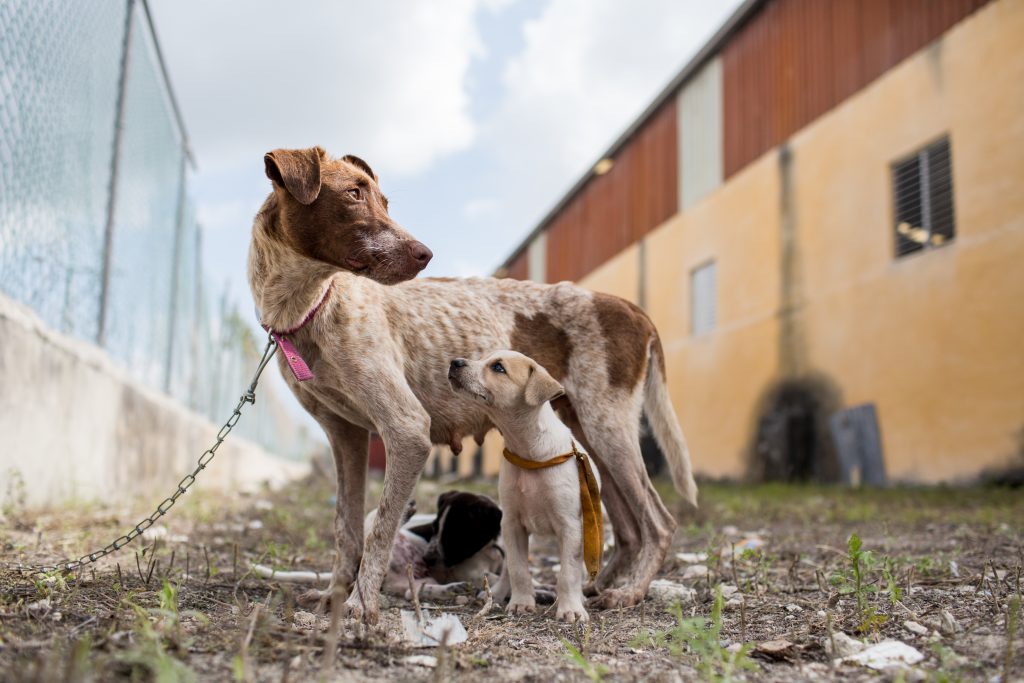
In many tourism destinations, stray animals are part of the landscape. They live near hotels, beaches, restaurants, and neighborhoods. Their wellbeing affects how travelers feel, how communities function, and how destinations are perceived.
Tourism is uniquely positioned to help
Hotels, resorts, tour operators, and tourism boards are deeply connected to the places they serve. They see firsthand how stray‑animal populations affect guest experience, community relationships, and destination reputation.
By supporting humane, preventative programs such as spay/neuter, vaccination, and community partnerships tourism organizations can make a meaningful difference.
Why humane solutions matter
Humane solutions aren’t rescue based or reactive. They’re long term, preventative, and community driven. They reduce suffering, improve safety, and create healthier environments for animals and people.
These programs also align naturally with sustainable tourism principles, even without using technical language. They support:
safer destinations
healthier communities
positive traveler experiences
long term, compassionate impact
CANDi’s role
CANDi works at the intersection of animal welfare and tourism a space where few organizations operate. We collaborate with local partners and tourism stakeholders to bring humane solutions to the places where travelers and stray animals meet.
Our work helps destinations become kinder, safer, and more welcoming for everyone residents, visitors, and the animals who share these spaces.
A small shift with big impact
When tourism embraces humane stray animal solutions, it sends a powerful message: compassion is part of what makes a destination worth visiting.
And that’s a story travelers want to be part of.