

The Impact of Stray Cats and Dogs
on Tourist Destinations
UPDATE 2024
The following data is an UPDATE from the extensive survey conducted by CANDi-Cats and Dogs International, in 2013.
To read the full article on our website, click here
Tourism has rebounded strongly after the pandemic; international travel recovered to near-pre-pandemic levels in 2024 and the Travel & Tourism sector is once again a major global economic engine. The travel market’s scale and resilience mean tourist impressions matter more than ever — negative experiences (including seeing sick, starving, or suffering stray animals) now travel faster and farther via social media and online reviews. At the same time, consumers increasingly reward companies and destinations that act responsibly on social and environmental issues. This makes humane, cost-effective stray animal population management (chiefly sterilization + vaccination + community programs) both a moral imperative and a business one for tourism stakeholders. Untourism+1.
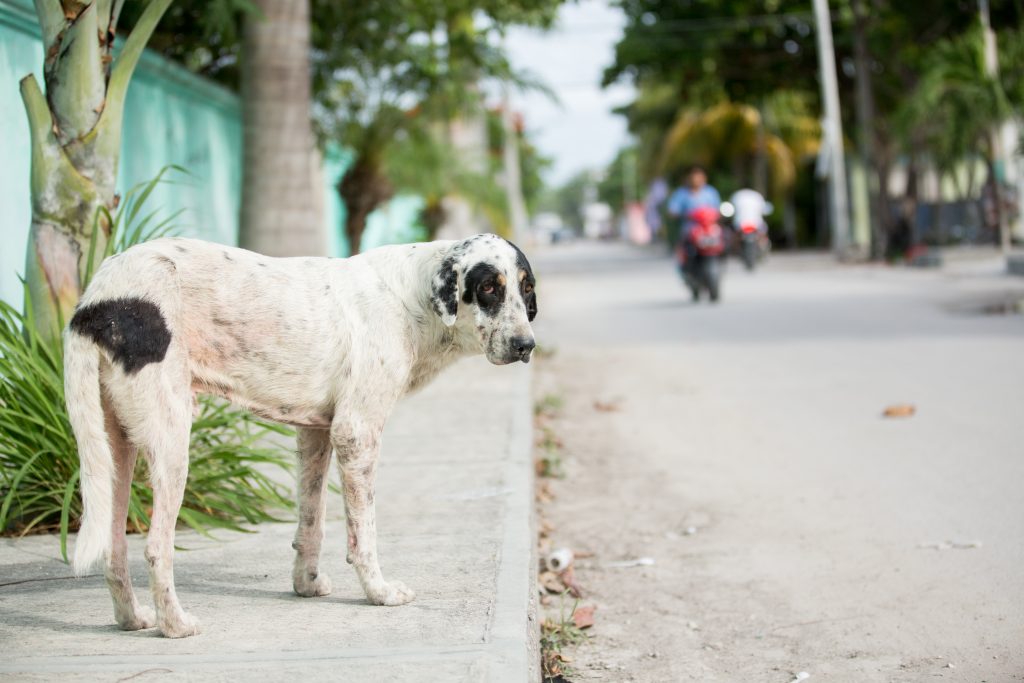
Updated Key Facts (2024)
- Tourism recovery & economic scale. International tourism recovered in 2024 (approaching or surpassing 2019 levels), and Travel & Tourism contributed roughly US$10.9 trillion to the global economy in 2024, supporting hundreds of millions of jobs. This amplifies the economic risk that poor destination reputation can create. Untourism+1
- Consumers reward responsible brands. Recent consumer research shows a strong willingness to purchase from and pay more to brands that demonstrate social and environmental responsibility — the trend that underpinned the original report has strengthened, so animal-friendly policies now create measurable brand value. (See NIQ/Nielsen consumer sustainability reporting). NielsenIQ
- Pet care / human–animal bond is larger than ever. The global pet care market and consumer spending on pets has continued to grow. In the U.S. alone, pet industry expenditures reached roughly US$152 billion in 2024, demonstrating the economic and emotional stake many travelers place in animal welfare. This strengthens the business case that travelers care about animals. American Pet Products Association
- Public health risk remains real. Dog-mediated rabies still causes tens of thousands of human deaths annually (global estimate ~59,000 per year), concentrated in regions where dog vaccination and humane population management are weak — linking animal welfare to health and tourism safety. World Health Organization
- Animal-welfare organizations & sustainability agendas align. Major animal-welfare NGOs and sustainability frameworks in 2023–2024 emphasize that protecting animal welfare supports biodiversity, climate resilience, and sustainable tourism — aligning with the “green tourism” economic benefits argued earlier. World Animal Protection+1
What’s changed since the original (2013) report — short list
- Scale & speed of reputation effects. Social media and online review platforms have grown; poor experiences (including sightings of suffering animals) spread faster and influence booking decisions more immediately than in 2013.
- Stronger consumer preference for sustainability. A larger share of travelers expects corporations and destinations to show clear social responsibility, including animal welfare.
- Tourism’s economic rebound. With tourism again a multi-trillion dollar sector, small shifts in traveler preference translate into much larger absolute revenue impacts than a decade ago.
- Improved evidence for humane interventions. More examples exist showing that vaccination + sterilization programs reduce rabies, improve public safety, and reduce negative publicity (e.g., documented program outcomes in Bali and similar initiatives). PMC+1
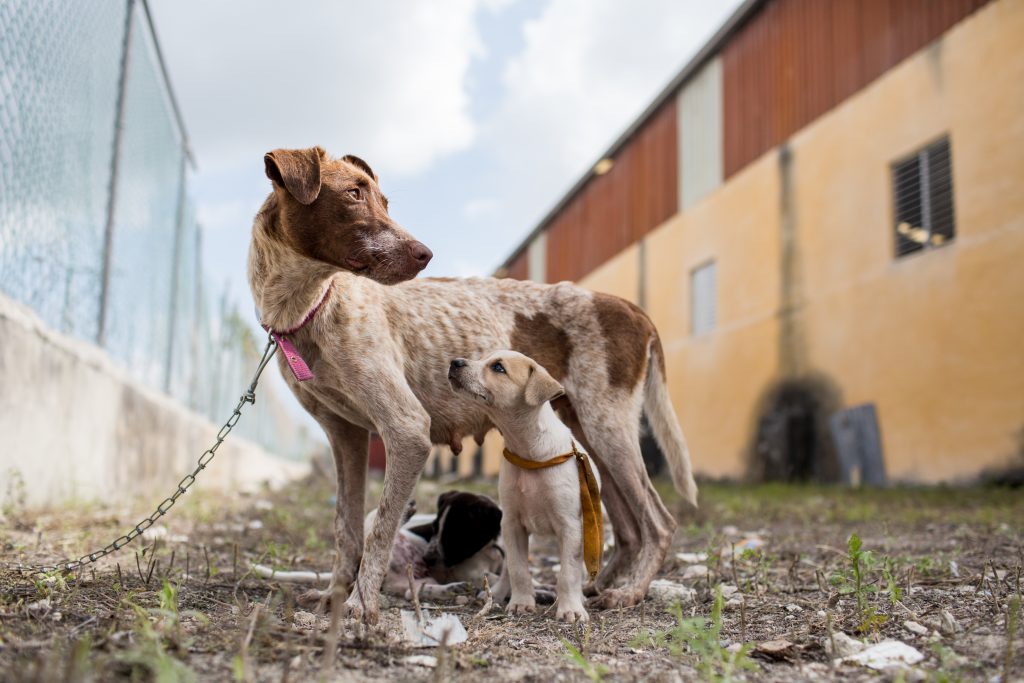

Updated Findings (integrating original survey insights + 2024 context)
- The original CANDi/HRC survey (2013) found that a large share of North American travelers noticed strays and that these sightings negatively affected vacation impressions and future travel intent. That insight is still relevant and is reinforced by 2020s consumer and travel trends: travelers increasingly choose destinations and brands that reflect their values. (Recommendation: commission a short 2024 follow-up survey to quantify current effect sizes with modern sampling and social channels.) NielsenIQ
- Tourist actions (reporting to hotels, posting on social media, discouraging friends) will now have greater downstream consequences because social & review platforms have greater reach and influence than in 2013. This increases the reputational and revenue risk for destinations that do not manage stray populations humanely.
- Human health & safety concerns (e.g., rabies risk, bites, sanitation) remain a core driver of traveler worry. Combined with the emotional reaction to seeing suffering animals, this produces measurable behavioral change in booking decisions and repeat visits. World Health Organization
Business Case (2024) — Why tourism stakeholders should invest in humane programs now
- Protect revenue & repeat business. A modest percentage of travelers deterred by stray problems translates to millions of lost visitors (and billions in revenue) given tourism’s current scale. Untourism+1
- Strengthen brand & market share. Animal-friendly policies can be marketed as part of sustainability/C SR programs attractive to ethically conscious travelers. Evidence shows consumers pay a premium for responsible options. NielsenIQ+1
- Public health savings. Vaccination and sterilization reduce rabies and other zoonotic risks, lowering healthcare and emergency response costs. WHO continues to identify dog-mediated rabies as a preventable cause of thousands of deaths annually. World Health Organization
- Biodiversity & eco-tourism protection. Managing feral cat populations helps conserve local wildlife — an asset to nature-based tourism (and to destinations that promote biodiversity). World Animal Protection
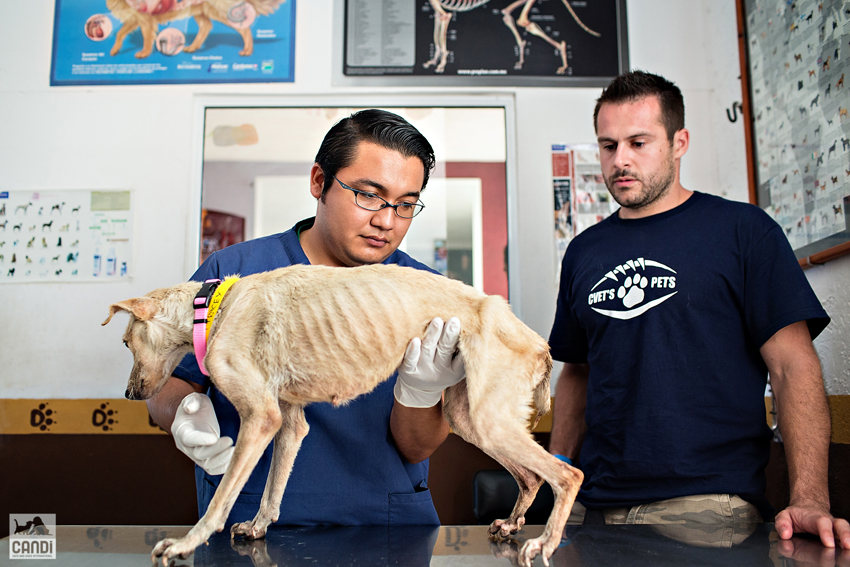
Practical 2024 Recommendations (actionable, prioritized)
Tier 1 — Immediate/High-impact (cost-effective)
- Start community sterilization & vaccination clinics targeted at areas near resorts, beaches, and high-visitor corridors. Prioritize mass dog vaccination campaigns for rabies control. (Partner with NGOs and airlines/hotels for sponsorship and logistics.) World Health Organization+1
- Train hotel/resort staff & concierges to handle stray reports, provide humane response options, and communicate publicly about actions being taken.
- Add animal-welfare messaging to sustainability pages and booking flows (e.g., “We support local humane animal welfare programs”) to reassure value-conscious travelers. NielsenIQ
Tier 2 — Medium-term/Systems
- Form multi-stakeholder partnerships (hotels, travel companies, local govts, NGOs) to fund and scale sterilization/vaccination + community education. Travel providers have influence over local policy — leverage it.
- Launch targeted PR & guest communications that highlight positive outcomes (e.g., % of animals sterilized, rabies vaccinations administered, reduced complaints). Use social media assets to counter negative viral posts rapidly.

Tier 3 — Strategic/Long-term
- Integrate animal-welfare metrics into destination sustainability reporting and tourism KPIs (e.g., animals sterilized per 10,000 residents, rabies cases reduced).
- Sponsor community education & livelihoods programs that reduce abandonment and encourage responsible pet ownership (link to local micro-enterprise and tourism livelihoods).
- Commission a 2024 follow-up consumer survey replicating the original CANDi/HRC instrument with updated sampling to quantify present-day traveler behavior and willingness-to-pay for animal-friendly choices
Suggested Metrics (what to measure to show ROI)
- Number of animals sterilized & vaccinated (monthly/annual).
- Change in negative guest reports or complaints related to animals.
- Online sentiment & review metrics referencing animals (pre/post program).
- Repeat booking rate changes for properties near program areas.
- Local rabies cases (human & animal)
- over time. World Health Organization
Short case example (why it works)
Bali’s organized vaccination & collar programs (and related NGO activity) have demonstrated that visible, humane programs both reduce disease risk and improve public attitudes — a model that other destinations can adapt while monitoring epidemiological and reputation metrics. PMC+1
Sources (selected)
- UNWTO — international tourism recovery / 2024 world tourism barometer. Untourism
- WTTC — Travel & Tourism Economic Impact Research, 2024 figures (US$10.9T contribution; employment). World Travel & Tourism Council
- American Pet Products Association — U.S. pet industry expenditures (2024 ~$152B). American Pet Products Association
- Nielsen / NIQ — consumer research on sustainability & preference for responsible companies. NielsenIQ
- WHO — Rabies fact sheet (global estimated deaths ~59,000/year; dog-mediated rabies). World Health Organization
- World Animal Protection — 2024 global review and alignment of animal welfare + sustainability. World Animal Protection+1

Sources (selected)
- UNWTO — international tourism recovery / 2024 world tourism barometer. Untourism
- WTTC — Travel & Tourism Economic Impact Research, 2024 figures (US$10.9T contribution; employment). World Travel & Tourism Council
- American Pet Products Association — U.S. pet industry expenditures (2024 ~$152B). American Pet Products Association
- Nielsen / NIQ — consumer research on sustainability & preference for responsible companies. NielsenIQ
- WHO — Rabies fact sheet (global estimated deaths ~59,000/year; dog-mediated rabies). World Health Organization
- World Animal Protection — 2024 global review and alignment of animal welfare + sustainability. World Animal Protection+1
Tourism, Consumer Expectations, and the Importance of Humane Stray-Animal Management
UPDATE 2024
Overview
Tourism has fully rebounded post-pandemic, contributing US $10.9 trillion to the global economy in 2024 and supporting nearly one in ten jobs worldwide (WTTC 2024). Yet the same digital visibility fueling this growth also magnifies destination reputation risks. Tourists’ encounters with sick or suffering stray animals—once local issues—are now instantly broadcast through social media, online reviews, and influencer posts.
At the same time, travelers are increasingly values-driven consumers: sustainability and compassion influence booking choices as much as price and scenery. This shift means that humane stray-animal management is no longer merely an ethical duty—it is a core component of destination competitiveness.
Consumer and Market Trends (2024 Data)
- Ethical travel is mainstream. Over 75 % of global travelers prefer companies that demonstrate social or environmental responsibility (NIQ Sustainability Report 2024).
- Pet and animal welfare awareness are stronger than ever. U.S. pet-industry spending alone reached US $152 billion in 2024 (APPA 2024), reflecting the depth of public empathy toward animals.
- Health and safety remain linked to animal welfare. Dog-mediated rabies continues to cause ~59 000 deaths annually (WHO 2024), underscoring the human-health value of vaccination and sterilization programs.
- Sustainability is a booking filter. Destinations perceived as humane and eco-responsible see higher repeat-visitor rates and stronger online sentiment (UNWTO Barometer 2024).
Why It Matters to Tourism
- Reputation = revenue. A small dip in traveler confidence can translate to millions in lost visits given today’s market scale.
- Social-media amplification. One negative viral post about suffering animals can overshadow years of brand marketing.
- Positive differentiation. Animal-friendly initiatives strengthen CSR reporting and align with global ESG standards, giving destinations an edge with tour operators, airlines, and conscious travelers.

Recommended Actions
- Immediate / High-Impact
- Partner with local NGOs to launch community sterilization + vaccination clinics in tourist corridors.
- Train hotel and resort staff on humane response protocols and guest communication.
- Publicize humane programs through sustainability webpages and on-site signage (“This resort supports humane animal welfare initiatives”).
- Medium Term
- Form multi-stakeholder coalitions (hotels, tourism boards, municipalities, NGOs) to pool resources for long-term population control.
- Integrate stray-animal metrics (vaccinations, sterilizations, rabies cases) into destination sustainability dashboards.
- Strategic / Long-Term
- Educate communities on responsible pet ownership and link animal welfare to local livelihoods.
- Commission a 2024–25 consumer follow-up survey (replicating the original CANDi/HRC instrument) to update data and track impact.
Expected Benefits
Area | Outcome |
Public Health | Fewer bites and rabies cases; lower treatment costs. |
Economic | Increased visitor satisfaction and repeat bookings. |
Reputation | Enhanced destination image and ESG credibility. |
Community | Healthier street-animal populations and civic pride. |
Conclusion
The 2013 CANDi/HRC research accurately predicted that tourists’ perceptions of animal welfare shape destination choice. In 2024, that truth is amplified by global connectivity and stronger ethical consumerism. Humane stray-animal programs are now a strategic investment—protecting public health, enhancing reputation, and securing the long-term sustainability of tourism economies.
Key Sources: UNWTO World Tourism Barometer (2024); WTTC Travel & Tourism Economic Impact (2024); NIQ Sustainability Report (2024); American Pet Products Association (2024); World Health Organization Rabies Fact Sheet (2024); World Animal Protection Global Review (2024).